The Importance of Natural Fertilizers
Nutrients are essential for life. Organisms below the ground and plants above the ground both consume and exchange nutrients essential for their survival. When those nutrients are eaten by an insect, animal, or the farmer him or herself, those nutrients must be replaced. When those nutrients are swept away by wind or water, they must also be replaced. So unlike a large forest which operates like a closed ecosystem, a farming system where the outputs (nutrients) are removed from the ecosystem (and consumed by cultures not native to it), those nutrients must be replaced.
In a period in history when supply chains are being disrupted by numerous factors, the availability and convenience of industrial fertilizers and other chemical inputs is increasingly becoming uncertain. In addition, with an improved understanding of how interconnected ecosystems are and how they are adversely affected by industrial chemicals (fertilizers, herbicides, pesticides), people are exploring nature-based alternatives for many of their farming needs.
The magic of the nature-based system is that it only requires a new perspective. Balanced and vibrant ecosystems are not so much created by adding one or more missing elements, but
in learning how to recycle essential nutrients already present in the system.
Once this paradigm shift takes place, a farmer will see free fertilizer all around him, most notably in trees and termite mounds that are native to his ecosystem.
Natural Fertilizers We Promote
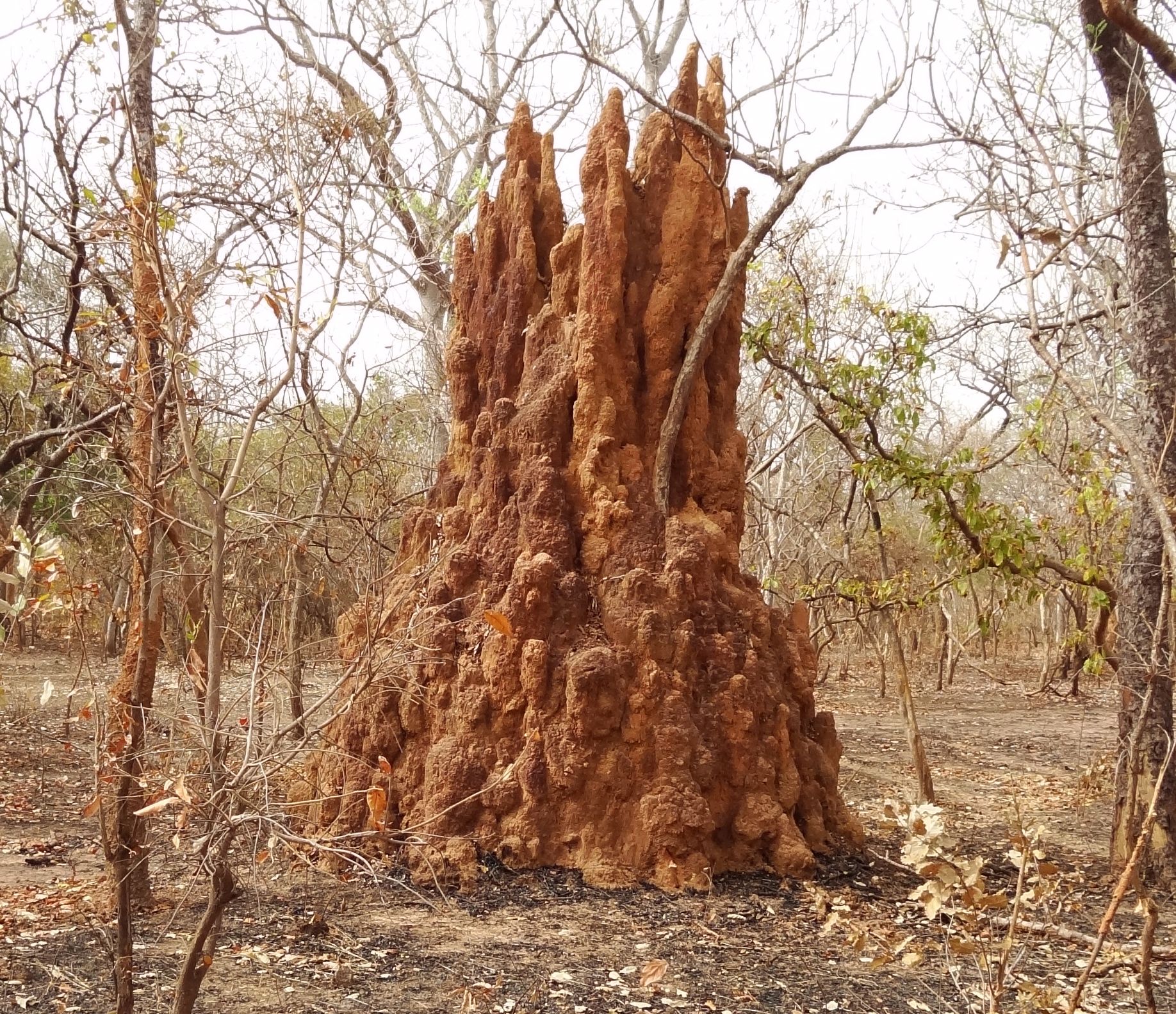
Termite Soil
Termites decompose dead organic matter deep in the soil profile and bring it to the soil surface to construct their homes. Astute farmers can use this termite soil to fertilize their gardens and fields.
Trees
Trees are the ultimate perpetual fertilizer as they continually draw nutrients from deep in the soil profile (where annual crops like corn cannot access it) and deposit it in the form of leaf and branch litter on top of the soil (where annual crops like corn can use it.)

Manure
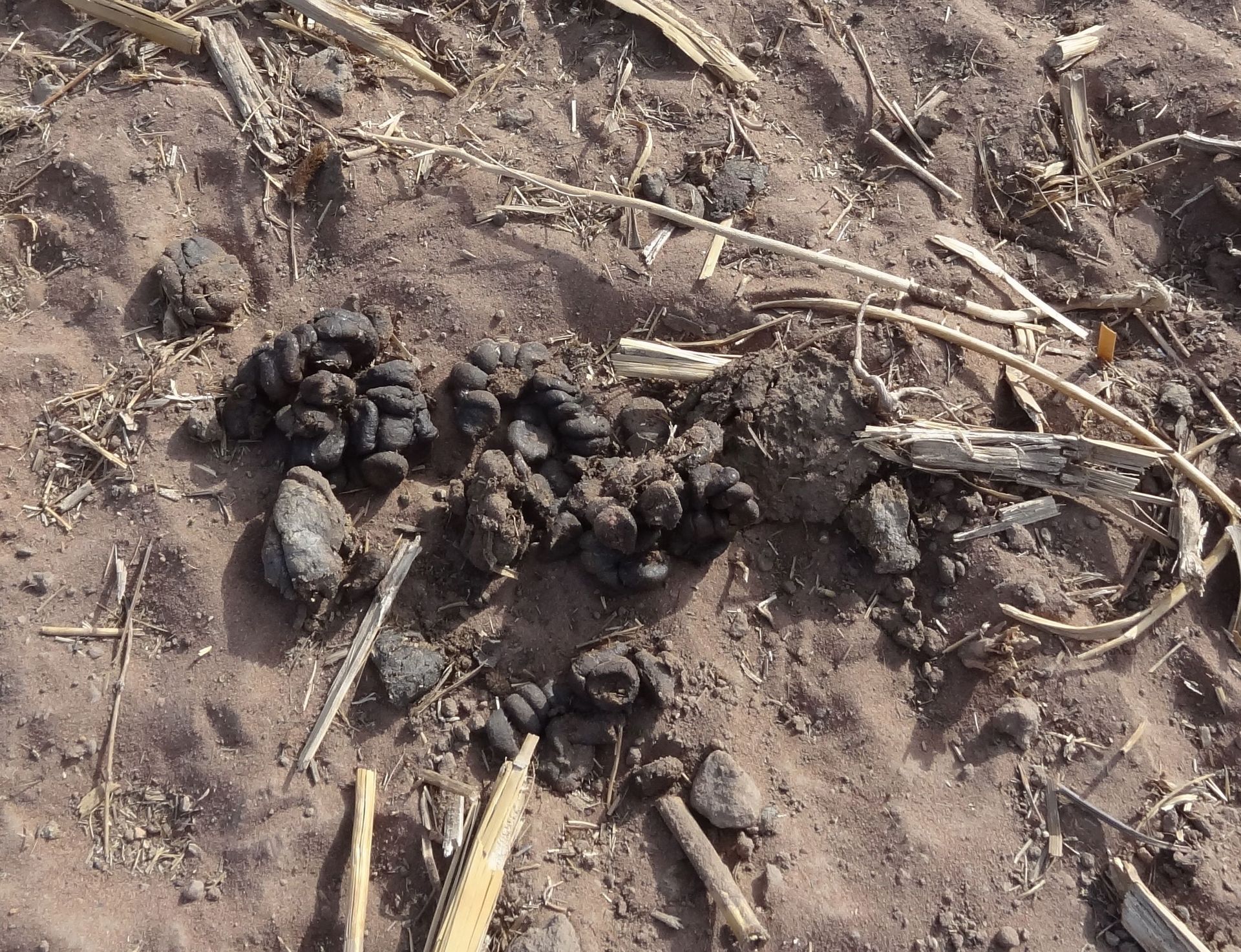
Animals regularly deposit digested plant material that feeds soil microbial life essential for plant development.
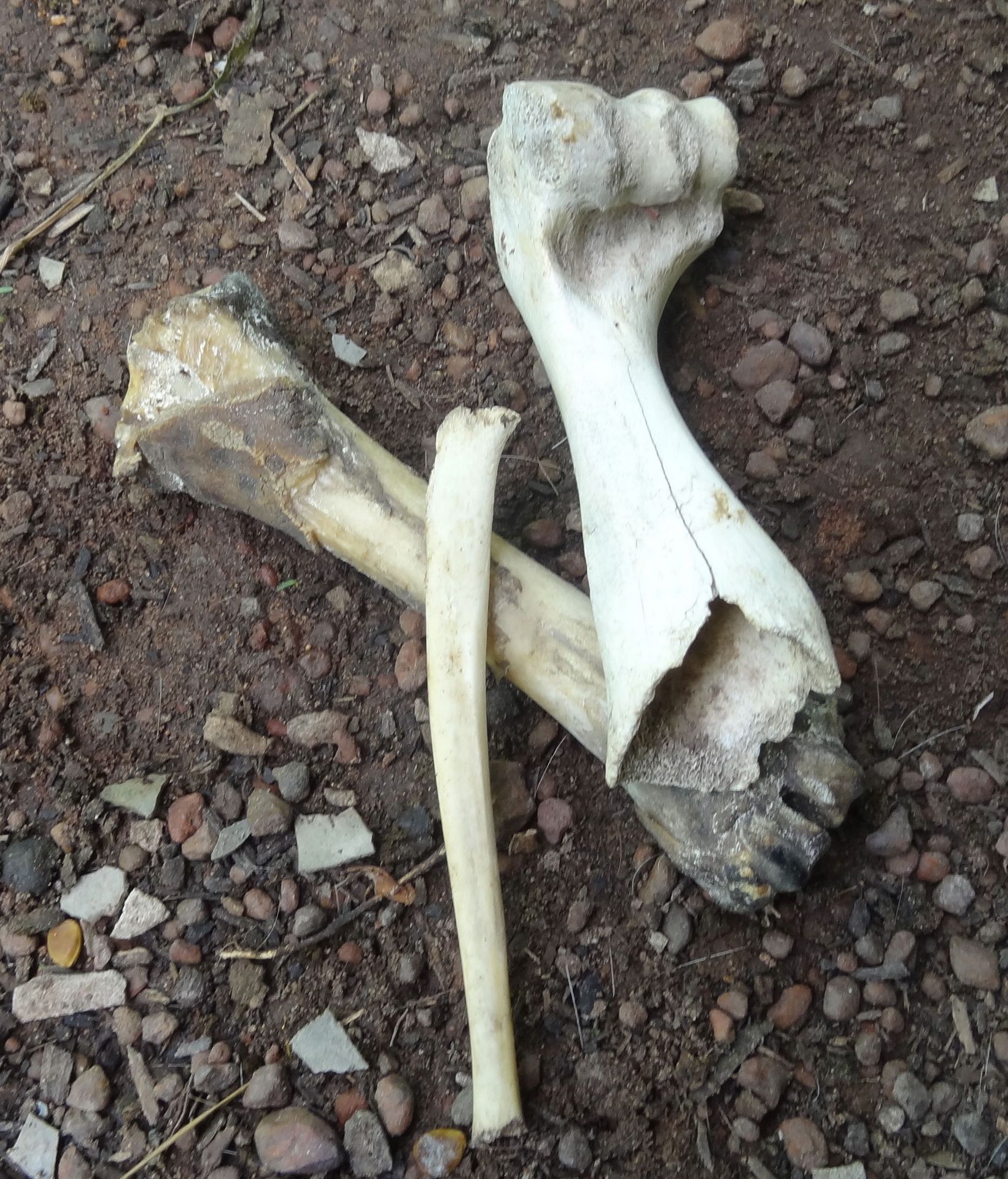
Bones
Animal bones provide essential calcium and phosphorous vital for plant growth
Cookies & Privacy
This website uses cookies to ensure you get the best experience during your visit.
Confirm
Decline